Creating a Calm and Relaxing Kids' Bedroom Environment
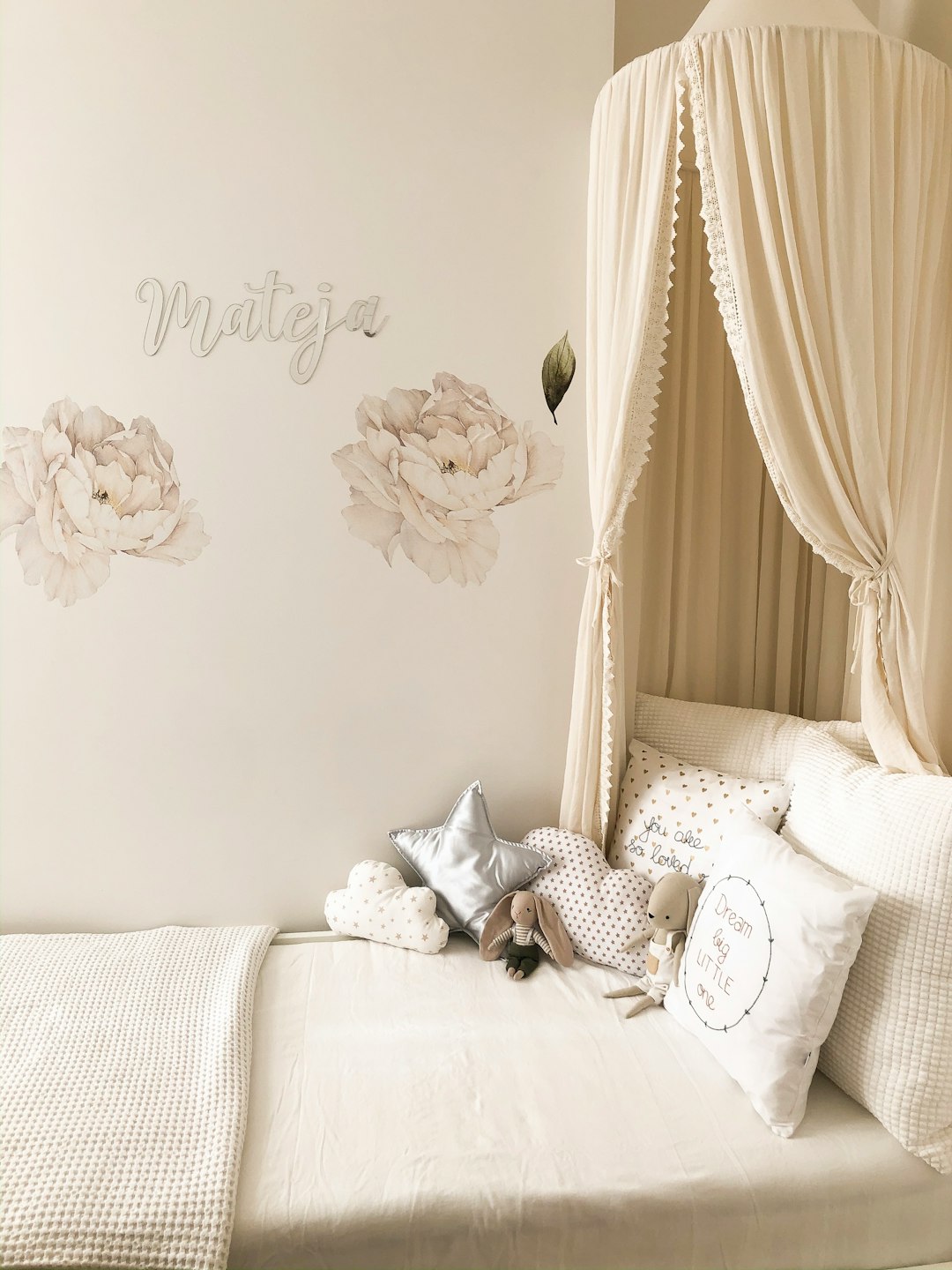
Kids love playing, but you can't expect them to fall asleep the moment they see their beds just because they're tired. They need a comfortable environment to wind down and get proper rest.
While it's "just" a child's bedroom, creating a comfortable and calming space proves to be a real challenge for many parents. Parents and children often have different tastes and priorities. However, some practical strategies work well for almost any family.
How to Transform Your Child's Bedroom into a Comfortable and Calm Space
The primary goal is to maximise living space. Even if your child's room is small, you can make the most of it by following three simple steps.
First, remove clutter without hesitation. If something doesn't serve the purpose of ensuring your child's comfort, get rid of it or relocate it elsewhere.
Second, optimise the space in your child's bedroom. While you don't always need a professional designer, consulting one can be worthwhile and make the process much easier. Even children's furniture consultants can provide valuable advice and offer additional ideas for optimising your child's bedroom.
Third, use smart storage solutions like shelves and organisers. These strategies, when combined, will help you create an organised space that sets a positive example for your child. Many other practical suggestions can also help transform your child's bedroom into a calm and comfortable retreat.
Create Different Zones
This tip deserves special attention as it truly matters. While it was once believed that children don't care much about zoning, it actually affects their wellbeing and ability to rest properly.
Even in a small bedroom, divide the space into at least two distinct areas: one for rest and one for play. To prevent "zone hopping" in the evening, make the sleeping area as conducive to rest as possible, while avoiding items in the play zone that might encourage relaxation. As your child grows, you'll need to rearrange their bedroom, eventually creating a separate study area as well.
Choose a Calming Colour Palette
If you want your child to enjoy long, restful sleep, it's essential to select calming, pastel, or neutral colours for their bedroom. Soft blue, beige, green, white, and grey tones work well in any child's bedroom. Avoid bright, stimulating colours like red at all costs. Be mindful when choosing pink shades as well, opting for softer rather than brighter tones.
Pick an Appealing Child's Bed
The best approach is to choose a bed that resembles your child's favourite theme or interest. For instance, many boys love sleeping in car-shaped beds, while girls often enjoy princess-style beds with a fairy-tale aesthetic. If purchasing a new bed isn't in your budget right now, a high-quality, ergonomic mattress is an excellent alternative your child will appreciate.
Both space and comfort are crucial considerations. High-quality king single mattresses prove this point perfectly. They provide ample space for children to relax and accommodate friends during sleepovers. Additionally, a comfy double mattress that makes falling asleep effortless extends the range of sleeping and resting benefits, creating such a comfortable surface that your child won't want to leave. You're unlikely to face bedtime battles with these mattresses—they look and feel like clouds.
When it comes to bedding, don't underestimate the value of soft toys and cushions. During the day, they serve as decorative accents that enhance the room's aesthetic. When night falls, they become your child's comforting companions, helping them drift off to sleep faster—and giving you peace of mind in the process.
Set Up Proper Lighting
Lighting can be potentially disruptive, yet it's crucial for both proper rest and aesthetics. When choosing lighting for your child's bedroom, opt for soft, low lighting, especially near the bed.
Light-up toys are often the perfect solution. Small nightlights on the bedside table also work well.
Regardless of your specific choice, here's universal advice: choose LED lighting as it's more natural and closely resembles daylight. However, avoid making the lighting too bright in any case.
For even better sleep quality, install blackout curtains. They'll block early morning sunlight and evening streetlights from outside.
Maintain a Comfortable Temperature
A comfortable, cool—but not cold—temperature creates the ideal setting for proper rest. A temperature around 18-20 degrees Celsius is optimal for supporting better sleep. In addition to maintaining the right temperature, it's essential to choose appropriate bedding and pyjamas for your child.
Make the Bedroom Feel Special
This depends on your family's unique experiences. Include items like toys, souvenirs, or photographs that remind both you and your child of cherished moments spent together. If these items relate to active sports or similar energising activities, it's better to keep them out of immediate reach to avoid bedtime distractions. Such small yet meaningful touches will help your child feel secure and connected to family, even when you're not right beside them.
Bottom Line
Creating a warm and welcoming atmosphere in your child's bedroom doesn't require complicated solutions. Declutter the space and rearrange it more effectively—for instance, by creating zones based on your child's age and evolving needs.
Choose warm, calming colours, soft lighting, and comfortable beds. If buying a new bed isn't feasible right now, there's an equally suitable alternative: invest in a high-quality, ergonomic mattress with soft bedding for your child's current bed. It's a modest upgrade that will still make a meaningful difference. Help your child fall in love with their bedroom wholeheartedly.