How Soft, Durable Furniture Reduces Stress for Kids
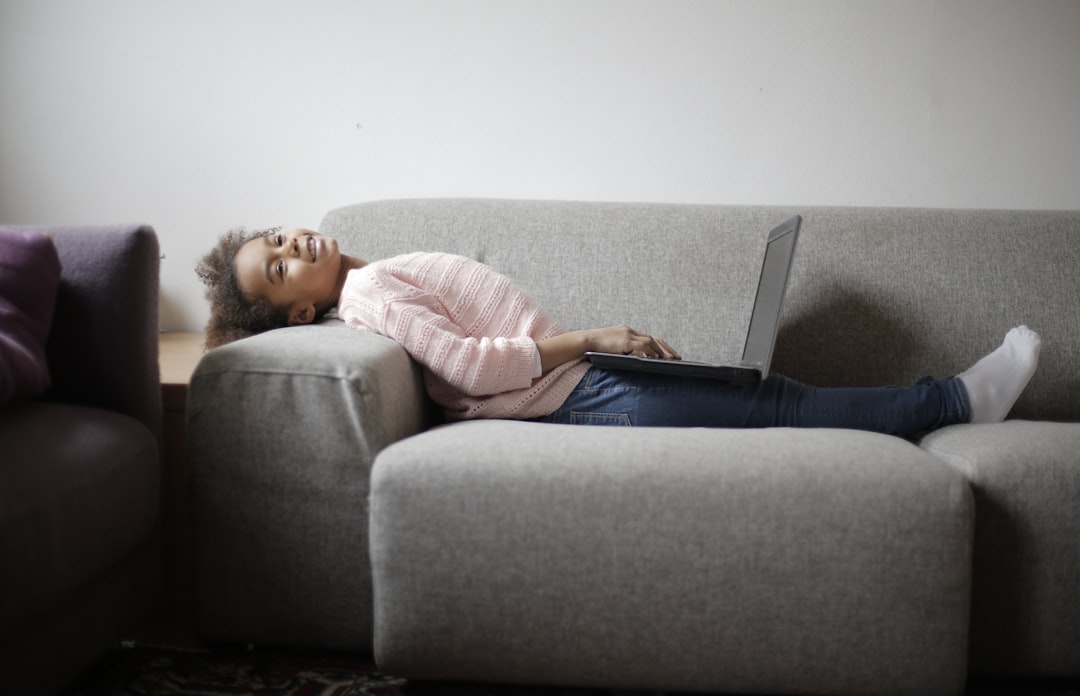
Dealing with meltdowns and moods is part and parcel of being a parent to a child or a teenager. Any mum or dad will tell you that. What’s more, they will also tell you that when your offspring go into one, having a dedicated space at home to go to calm down is vitally important.
Growing up, children spend much of their time playing, relaxing, and learning in their own little corners of the house. Moreover, when the furniture around them feels soft and safe, they tend to settle more easily and enjoy their day with less stress.
A room with soft textures, gentle shapes, and durable pieces can help children to feel safer and more secure. This is especially important when they are going through what can be an especially challenging period of their lives.
If you don’t yet have a space like this in your home. Don’t worry. With a few simple updates, you can create something where kids can unwind, recharge, and feel cocooned in their surroundings.
Here is why soft, durable furniture should be a part of that set-up.
Why does the environment have a big influence on your child’s stress levels?
Children often take in more than we realise, or give them credit for. This includes their home environment, which influences how they behave, interact, and relax. A busy or cluttered space can make kids feel overwhelmed. Conversely, a soft, well-set-up room can help their mind and body slow down.
Furnishing rooms with soft, durable, child-friendly furniture can contribute to a calmer feel. Primarily, this is because it supports their emotional well-being by giving them a sense of comfort. For instance, soft seating, cushioned corners, and durable pieces help kids settle during play, reading, or quiet time. In fact, many parents notice that their children enjoy moments of rest more when the space feels soft and inviting.
What are the benefits of soft furniture for kids?
Probably the main benefit of soft furniture is that it helps to create a gentle atmosphere. Most kids love sinking into a comfy seat after school or curling up on a cushioned mat with a book or their iPad. The physical comfort of doing this alone helps reduce any stress they are experiencing and brings them a sense of ease.
It also supports their sensory regulation, as many children respond well to soft textures and enjoy spending time in a spot that feels cosy to them. This is especially helpful for children who become overwhelmed with noise, movement, or daily routines.
Another big benefit of soft furniture is that it decreases the risk of them picking up any bumps and bruises. Young children usually play and move in fast and energetic ways. Therefore, if they do this around furniture with rounded edges, foam bases, and plush surfaces, they will be much safer.
What are the best furniture options to help kids feel safe and relaxed?
If you want to create a space at home for children where they can go to relax, then incorporating soft seating within it is essential.
The likes of beanbags, foam lounges, and kid-sized sofas can all create an inviting spot that is ideally suited for play and rest. Such pieces help parents to build sensory-friendly spaces where their child feels calm and supported.
For families with sensory-seeking kids, it is a good idea to add in structured seating. This might include therapeutic mental health chairs that provide them with more stable, cushioned support. These chairs usually feel soft and secure, and helps children settle when their emotions are running high. They work especially well in bedrooms, reading corners, and dedicated calm-down spaces.
Additionally, cushioned mats and soft play furniture can help to reduce stress. That is because children enjoy rolling, stretching, and moving on surfaces that feel gentle under their hands and feet. It follows that when furniture feels comfortable and safe, kids tend to stay relaxed for longer periods.
Tips for choosing the best soft, durable furniture for your child
When choosing new furniture for a space designed for kids, parents often look for pieces that meet a few simple needs. Materials, in particular, are important because soft, easy-to-clean fabrics make everyday life smoother. At the same time, stain-resistant covers help keep furniture looking fresh, regardless of what it is exposed to during children’s playtime, snacks, and craft activities.
Of course, safety is also an important consideration when choosing furniture. Pieces consisting of rounded edges, sturdy stitching, and strong bases go a long way towards protecting children from harm.
It also helps to think about how the furniture fits into your child’s daily activities. For instance, a beanbag may work well when they are reading. Likewise, a foam lounge might be best suited to their active play or a movie room. Ultimately, soft furniture gives children the freedom to move and relax in their own way.
Some parents even create sensory-friendly spaces for their children with comfortable playroom ideas that match their personality. Even a simple, bright corner with cushions, or a soft nook with calming tones, helps bring the space to life.