How to Toddler proof your Home in 6 Simple Steps
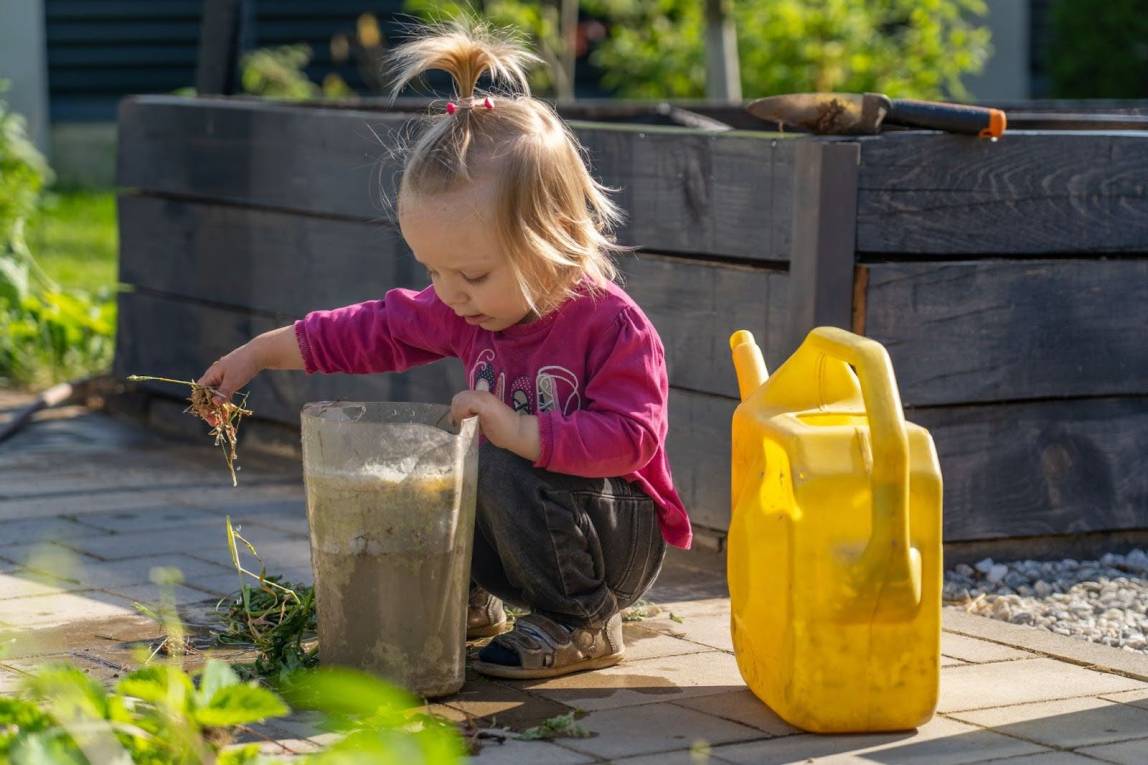
If you’ve got a toddler at home, you’ll know how quickly things can go from calm and cuddly to chaos and somehow they’re already halfway up your bookshelves. Your adult home might be the perfect place to kick back and relax, but once a toddler starts crawling and climbing, your everyday space can suddenly become a hazard zone.
Even when you think you’ve removed every obstacle and danger, there’s likely still something to consider when it comes to keeping the little ones safe at home. Supervision should always be the number one priority, but it never hurts to take extra precautions and make sure your home is ready for your inquisitive bundle of energy.
From childproofing sharp table corners to installing child-safe pool fencing, toddler proofing your home doesn’t have to feel overwhelming. A few simple changes can go a long way in creating a safe space for your curious, creative, and playful child to learn, play and grow. By following these easy six steps below, you can create a safe space for your toddler and stay one step ahead of your little explorer.
Step 1: Make Outdoor Areas Safe
For homes with a backyard and a swimming pool, child-safe pool fencing is an essential and smart upgrade. A compliant pool barrier should be durable and high enough, at least 1.2m high, and secure and well-maintained, fitted with a self-latching gate to prevent unsupervised access.
Keep the pool gates shut at all times when not in use, so children can’t get access without parental supervision. Also, clear out the area of any objects that the children can use to climb up the fences, such as flower pots, boxes, chairs, and so on.
Remember to always put away outdoor items when not in use, especially if you have a BBQ area. Make sure that nothing hot or sharp is within reach. Your gates should all have a self-closing feature and should always stay closed. Lastly, during pool days, watch out for slippery surfaces to avoid any injury.
Step 2: Use Safety Gates and Block Off High-Risk Zones
Another practical home safety idea for families with toddlers is to install safety gates indoors, too. Installing safety gates on the top and bottom of the stairs will protect your toddler from hurting themselves, especially when they’re learning how to crawl and walk. It'll be hard to keep them away from the steps. Do the same for kitchen entries, laundry rooms and garage access to avoid unwanted entry.
You can also add door latches or knob covers where necessary. Invest in finger protection strips to prevent any injuries or pinched fingers. Keep bathroom doors closed when not in use. Restrict any possible access to hot appliances, fireplace or heaters, pet food areas and workshops or storage sheds and control any entry or access points. You never know when children might go running to explore on their own.
Step 3: Store Chemicals, Medicines, and Sharp Objects Away
Besides installing safety gates, look through your home and put childproof locks under the sink cupboards, bathroom cabinets and laundry storage. Then, store any chemicals, medicines and sharp objects out of reach. These would include laundry detergent, vitamins, cleaning sprays, dishwashing tablets, knives, scissors, tools and anything with a sharp edge.
Never rely on high shelves as a safety rule. Children will find a creative way to climb up chairs, tables, bookshelves or anything they can stand on. Also, keep your bags out of reach, as they might contain medicines, makeup, coins or batteries.
Step 4: Anchor Heavy Furniture and Screens
Coming back to the previous point, toddlers climb and when they do, it’s important for parents to stay vigilant and prepare for when that happens. They might climb up bookshelves, TV units, cabinets and drawers. So, the next appropriate step is to secure dressers, shelves, TVs, floor lamps, monitors and any furniture that might topple over. You can also invest in good anti-tip anchors or wall straps.
Alongside this, avoid storing toys or remotes on top of furniture that might encourage climbing and keep any heavy decor off high surfaces. In case anything does tip over, you want to avoid any major risks in your home.
Step 5: See Things from their Perspective
A step that’s often forgotten when toddler proofing your home is seeing your space from a toddler’s eye level.
Crawl and crouch down around your home, inspect each corner, turns, rooms and hallways, from your child’s height. Look for exposed power points, cords and blinds, sharp corners, unstable decor, accessible cleaning products and any loose small objects which are choking hazards. Seeing things from their perspective makes it easier to spot any hidden hazards for toddlers compared to an adult's eye level.
Step 6: Reassess Your Home Regularly
Once you’ve followed all these steps, review your home consistently. Toddler proofing isn’t something you do once and forget after. Keep in mind that what might be safe for a 12-month-old is not safe for a 2-year-old.
As children grow, they can reach the top shelves, climb even taller furniture and open and unlock doors. So, take the time to do another toddler-proof check around your home. Update the safety measures after important baby milestones like walking, crawling, toilet training, climbing and when they graduate from the cot to a bed.
The goal should always be to create a home where curious exploration is safe, not discouraged or impossible.
Key Takeaways
Toddler proofing your home is all about keeping one step ahead of those curious little minds, hands and feet. Remember to look for support, be active and reach out to helpful services for young children and young families when you need to.
If you don’t know where to start, start with the biggest risks first and don’t overlook your outdoor areas like pools and backyards. By doing the right safety checks and including safety gates, stashing away dangerous chemicals and objects, you are creating a safe home for your growing family.