Building the Perfect First-Year Baby Wardrobe Without Overbuying
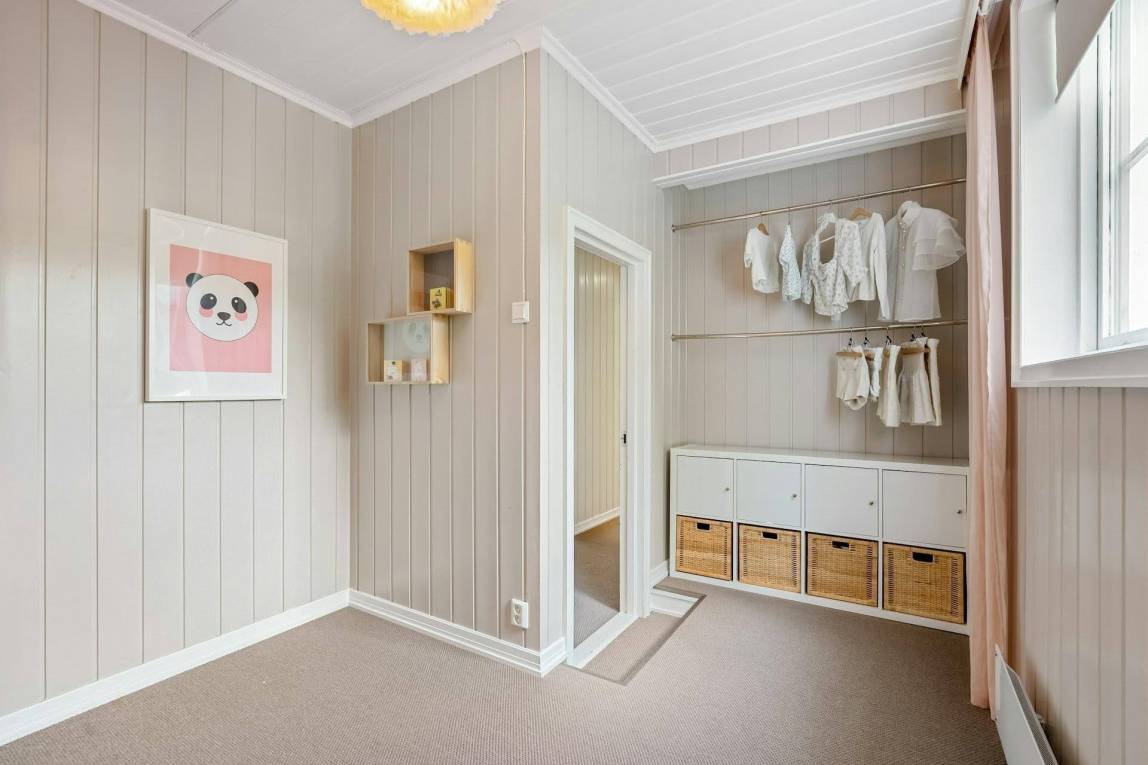
Preparing for a new baby often comes with excitement, anticipation, and an understandable urge to buy everything in sight. Tiny knit rompers, soft blankets, miniature bodysuits, and beautifully designed onesies can make it incredibly tempting for parents to fill drawers long before their baby arrives. Yet one of the most common surprises new parents encounter during the first year is just how quickly babies outgrow clothing.
Many families discover that wardrobes built around newborn sizing alone become impractical within weeks. Babies grow rapidly, seasonal needs change unexpectedly, and certain outfits simply end up being used far less than anticipated. As a result, many parents are now shifting toward a more intentional approach to newborn clothing, one that prioritizes comfort, flexibility, layering, and realistic daily use over excessive purchasing.
Building a practical first-year wardrobe no longer means buying endless quantities of every item. Instead, it increasingly involves understanding how babies grow, which essentials are genuinely useful, and how to create a versatile clothing rotation that adapts as infants develop during their first year.
Why Parents Are Becoming More Selective About Baby Clothing
Modern parenting culture has changed significantly in recent years. Many parents today prioritize practicality, sustainability, and quality over sheer quantity when shopping for baby items.
Social media and online parenting communities have also helped normalize more realistic conversations about newborn preparation. Experienced parents frequently share how many outfits remained unworn, how quickly babies skipped certain sizes, or how difficult complicated clothing designs became during sleep-deprived early months. As a result, many families now focus more heavily on versatile essentials rather than oversized wardrobes built around appearance alone.
Comfort has become especially important. Babies spend most of their early months sleeping, feeding, growing, and being carried, which means soft fabrics, easy fastenings, and breathable materials tend to matter far more than highly decorative pieces that may only be worn once or twice.
This shift has also influenced how parents approach layering and seasonal clothing. Instead of purchasing large amounts of highly specific outfits, many families now prefer adaptable basics that can work across changing temperatures and growth stages.
The Essentials Most Parents Actually Use
While every family develops different preferences, certain newborn clothing categories consistently prove useful throughout the first year. Onesies and bodysuits remain foundational wardrobe staples because they work well for layering and everyday comfort. They are practical, easy to wash, and versatile enough for both daytime and sleep routines.
Soft knit rompers have also become increasingly popular because they combine warmth, comfort, and simplicity in a single piece. Many parents appreciate that knitwear often allows for slight flexibility as babies grow, helping extend wearability beyond a narrow sizing window.
Blankets continue serving multiple purposes beyond warmth alone. Lightweight blankets may be used during feeds, stroller walks, naps, tummy time, or travel, making them one of the most consistently used newborn essentials.
Zip sleepers and comfortable sleepwear are another category parents often underestimate initially. Frequent overnight changes during the newborn stage make convenience especially valuable, and many families quickly realize that easy-access designs simplify nighttime routines considerably.
Rather than buying large quantities within one size range, many experienced parents recommend maintaining smaller rotations across multiple nearby sizes to accommodate unpredictable growth spurts.
Understanding How Quickly Babies Grow
One of the biggest challenges parents face during the first year involves anticipating growth patterns. Babies develop at dramatically different rates, making it difficult to predict exactly how long newborn sizing will last. Some infants outgrow newborn clothing within days, while others remain in smaller sizes for much longer periods.
This uncertainty is one reason many parents spend extra time learning about sizing newborn clothes before buying too much too early. Because babies grow so quickly during the first months, families often look for practical signs that outfits may already be feeling too tight, restrictive, or less comfortable for everyday wear.
Growth can affect clothing fit in multiple ways beyond simple length alone. Tight sleeves, limited movement around the shoulders, frequent discomfort during changes, difficulty fastening bodysuits, or reduced flexibility around diapers may all indicate that a baby is ready for larger sizing. Because babies grow so quickly during the first year, many parents now approach clothing purchases more gradually rather than trying to prepare every future size in advance.
Seasonal Planning Makes a Big Difference
Seasonal timing plays a major role in how useful certain newborn clothing purchases ultimately become. A baby born during warmer months may spend little time wearing heavy winter layers in smaller sizes, while infants born during colder periods may require additional layering and warmth much earlier.
This unpredictability often leads parents to focus more heavily on flexible layering systems rather than highly seasonal wardrobes. Lightweight bodysuits paired with knit cardigans, blankets, or rompers tend to provide more adaptability than overly specialized outfits designed for very narrow weather conditions.
Australian families in particular often experience fluctuating temperatures throughout the day, making breathable layering especially important for newborn comfort. Soft cotton fabrics, lightweight knits, and easy layering combinations frequently offer the most practical long-term value because they allow parents to adjust clothing levels without completely changing outfits throughout the day.
What Raising Children Network Australia Recommends for Dressing Newborns Safely
According to Raising Children Network Australia, newborns generally require lightweight, breathable layers that help regulate body temperature without overheating.
The organization recommends dressing babies similarly to adults while accounting for weather conditions and monitoring comfort regularly. Breathable fabrics and adaptable layers are often considered safer and more practical than excessively heavy clothing.
This guidance aligns closely with the growing preference among parents for simpler, more versatile newborn wardrobes built around comfort and practicality rather than excessive layering or overly structured outfits.
Why Minimalist Baby Wardrobes Are Growing in Popularity
Minimalist parenting trends have become increasingly visible across baby product categories, including clothing. Many parents now intentionally avoid overcrowding wardrobes with excessive purchases during the newborn stage. Instead, they prioritize fewer, higher-quality pieces that can be worn frequently, washed easily, and combined flexibly across different situations.
This approach often reduces financial pressure while also minimizing waste. Because babies outgrow clothing so quickly, overbuying can lead to large quantities of barely worn items that are quickly donated, stored, or discarded.
Minimalist wardrobes may also simplify daily routines for exhausted new parents. Fewer clothing options often means less laundry stress, easier organization, and faster outfit changes during busy days.
Rather than creating highly curated wardrobes focused on appearance alone, many families are now choosing clothing systems centered around functionality and comfort.
Comfort Often Matters More Than Style
While baby fashion continues growing online, many experienced parents eventually discover that practicality usually outweighs aesthetics during the first year. Complicated buttons, stiff fabrics, decorative accessories, and difficult fastenings may look appealing initially but can become frustrating during frequent diaper changes and overnight care routines.
Soft fabrics, stretch materials, and simple closures tend to make daily caregiving significantly easier. Babies themselves also respond more positively to clothing that allows comfortable movement and consistent temperature regulation.
This does not mean parents completely abandon style preferences. Instead, many families begin prioritizing clothing that balances appearance with functionality. Neutral tones, simple knit textures, comfortable layering pieces, and adaptable basics often become long-term favorites because they remain useful across multiple settings and developmental stages.
Building a Wardrobe That Evolves With the Baby
Perhaps the most important shift many parents experience is realizing that newborn wardrobes do not need to be fully completed before birth. The first year involves constant adjustment as babies grow, sleep patterns change, weather conditions shift, and family routines evolve. Clothing needs that seem essential during pregnancy may end up becoming less important once parents better understand their baby’s habits and preferences. For
this reason, many families now treat baby wardrobes as evolving systems rather than fixed shopping lists.Starting with practical essentials, observing what gets used most frequently, and gradually expanding clothing choices over time often leads to far less waste and far more functional wardrobes overall.
In the end, building the perfect first-year baby wardrobe is rarely about owning the most clothing. More often, it comes down to choosing versatile, comfortable, and realistic essentials that support both the baby’s comfort and the family’s everyday routine throughout an incredibly fast-changing first year.