Why Home Fitness Is Getting More Practical for Parents
A lot of parents are not short on good intentions. What parents usually do not have is much left over. What is usually missing is anything extra. Extra time, extra space, extra energy. Once the school run is done and the house is already busy, leaving again to exercise can feel like too much.
That helps explain why home fitness has shifted. It is less about building the perfect setup and more about finding something that fits around family life without creating even more work.
It Has To Work In Small Gaps
A lot of parents' lives run on short windows. Ten quiet minutes while the baby naps. Twenty minutes before pickup. Half an hour at night if nobody suddenly needs a drink, a charger, or help finding a missing library book.
That kind of stop-start routine is one reason many parents look for ways to get active when they are busy, instead of waiting for a perfect block of free time.
That is why a lot of fitness routines stop before they really begin. They ask for too much. Too much time. Too much energy. Too much setup. Once that happens, the routine starts feeling easier to put off than return to.
The routines that last usually feel simpler than that. They do not need a big lead-up. They do not need ideal timing. They just need to feel possible on a day that is already full.
That is a big reason home fitness feels more practical now. Parents are not looking for something dramatic. They are looking for something they can actually start.
The Setup Matters More Than People Think
A lot of home fitness plans start off well, then slowly fade once the setup becomes too much trouble.
If the gear is big, awkward to move, or always underfoot, it starts feeling like one more thing to sort out. In family homes, that can be enough to throw the whole routine off, because space is already doing a lot. The spare room is also an office. The lounge room is where homework happens. The corner that looks clear in the morning is covered in toys by afternoon.
That is why smaller and easier-to-store equipment has started to make more sense. It suits the kind of homes that a lot of families actually live in. Not everyone has a room waiting to become a gym, and most people are not trying to create one.
What usually works better is a setup that fits into the home without taking it over. Something that can stay nearby, or be packed away without becoming a whole task in itself.
Parents Need Flexibility More Than Intensity
A lot of people think the hard part is motivation. For parents, it is often flexibility.
The day changes quickly. A child gets sick. School pickup shifts. Dinner takes longer than expected. Somebody refuses to nap. Somebody else spills something right when you were about to do something for yourself. That kind of stop-start rhythm makes fixed routines hard to hold onto.
Home fitness works better for many parents because it leaves room for that. You can do something small and still count it. You can stop and come back. You can move the session without losing the whole day.
That matters more than it may seem. A routine does not need to look perfect to be useful. It just needs to survive a normal week.
Supportive Movement Often Makes More Sense
By the end of the day, a lot of parents already feel like their bodies have done enough. They have been carrying kids, moving from one thing to the next, cleaning up, making meals, and dealing with all the usual jobs that come with family life.
So when it comes to exercise, not many are looking for the hardest option. They want something that feels steady and useful. Something that helps ease the stiffness, build a bit of strength, and make the body feel better to live in.
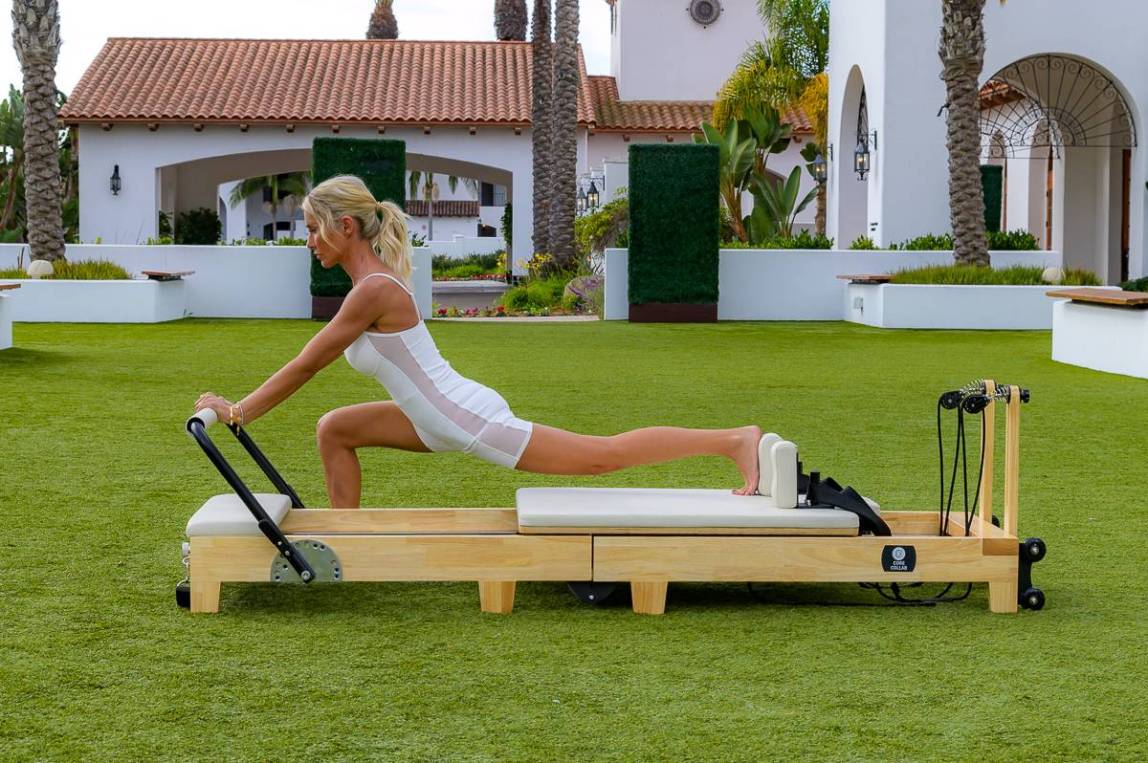
That is part of why Pilates keeps coming up in home routines. It can still do something useful without feeling too rough on a body that already feels tired.
Smaller Equipment Feels More Realistic
This is where home fitness has become much more practical. The equipment itself is starting to match real homes better.
For some people, that means a mat and a bit of floor space. For others, it means looking at equipment that gives more support without taking over the room. That is where smaller Pilates setups can start to make sense, especially in homes where every room is already doing more than one thing.
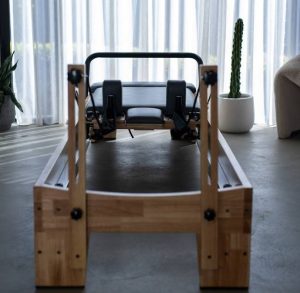
A Wunda Chair is a good example of that shift. It takes up less room than a reformer and is easier to fit into an ordinary home. In a family house, a compact chair pilates setup can feel far more doable than anything that needs its own room or has to stay out all the time.
That does not mean everyone needs equipment at home. It just shows why parents are leaning toward options that feel easier to fit into the house they already have.
Practical Does Not Mean Less Effective
This part matters because a lot of people still assume practical means basic.
It does not. A routine can be simple and still be useful. It can be short and still help. It can fit around family life and still support strength, balance, posture, and better movement.
The real difference is that it works in the middle of ordinary life instead of needing perfect conditions. That is what parents are often looking for now. Not the most impressive setup. Just something that helps without turning into one more thing to manage.
Once a routine starts doing that, it stops feeling like another task on the list. It starts feeling like support that is actually there when needed.
The Best Routine Is Usually The One That Keeps Showing Up
Parents usually know when something fits. It keeps turning up in the week without a huge fight.
It still works when the house is noisy. It still works when energy is low. It still feels possible on the kind of day that would have knocked the old routine out completely. That is usually the real test.
Home fitness is getting more practical for parents because parents are getting more honest about what they can actually keep. They do not need the perfect setup. They need one that feels close, simple, and worth returning to when life is busy.
That is often what makes the biggest difference in the end. Not a bigger plan. Just one that fits real family life well enough to last.