What Nobody Tells You About Flying to the US with Kids
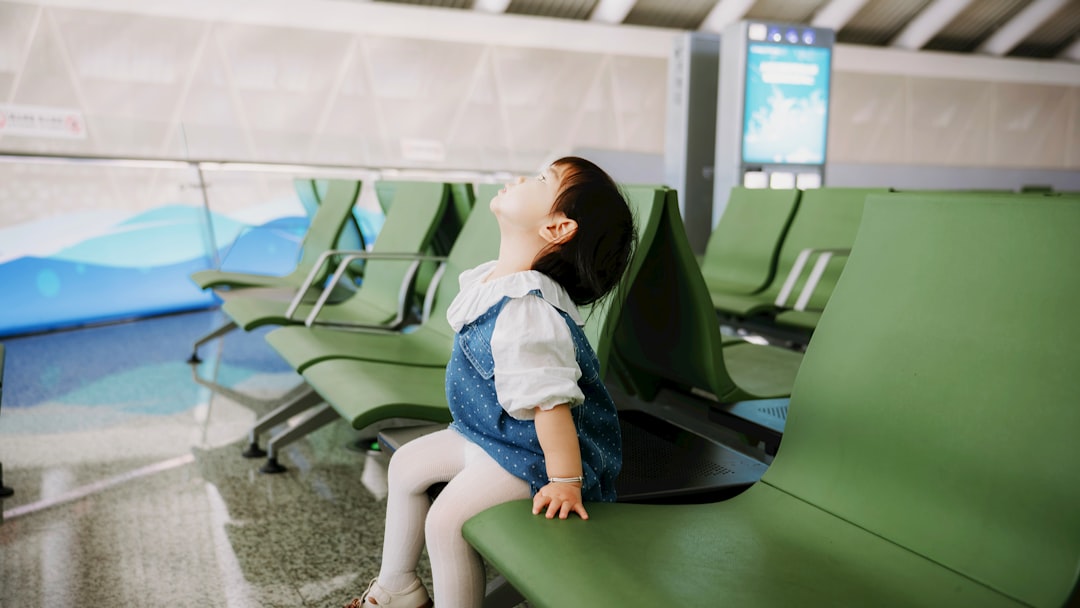
Do you have an overseas family trip coming soon? Are you worried about how your kid would act during the flight to the country?
If you’re arriving in the US from far away, like Australia, or are taking multiple flights to reach your destination, then you’re probably mentally psyching yourself up for the long trip ahead.
While you’re probably feeling a mixed bag of emotions in anticipation of the trip, it’s important to consider how your kids would react during the trip as well.
Kids add a new dimension to the whole travel—and if they’re on the younger end, then transiting with them can expose you to one of the greatest mental challenges as a parent: keeping them cool and calm for the entire duration of the flight.
Sounds like a doable challenge? Well, that’s just one of the many things that you may be overlooking when travelling to the US with kids in tow.
If you want to know what you need to know about flying to the US, then you’re in the right place.
This article will help give you some useful insights on what to expect as a parent travelling to the US by aeroplane. By the end, you’ll be more well-informed and equipped to fly out while managing all of your kids’ needs along the way.
Let’s jump right into it!
1.Bring Baby Essentials in Your Carry-On
When flying long-haul to the US with kids, you would need to pack the right set of items in your personal carry-on bag to maximise your family’s comfort.
Typically, you’re only allowed to bring a maximum of about 7-10 kilograms of items as your carry-on, so be sure to fall within your airline’s prescribed range. Essential baby supplies like diaper packs and pacifiers should be within reach whenever you need them; they shouldn’t be locked behind your checked-in luggage.
You may be worried about your baby’s milk bottle getting confiscated by airport security before boarding. The good news is that baby formula is typically exempt from the 100 mL limits typically imposed by airport security for liquids being brought on board, so feel free to bring enough for your little one to ensure their feeding needs are met during the flight.
That said, for older kids and yourself, water can’t be brought through the boarding gate. They’ll have to be bought inside airport stores or refilled at water stations inside the boarding area.
On top of that, you should also bring everything your child may need to be comfortable and healthy during the flight. Some essentials you should add to your carry-on include a refillable water bottle, wipes, a change of clothes, a diaper, some medication, and a neck pillow and blanket.
For younger kids, you should have nappies, formula, pacifiers, and backup quantities of each in case of delays or accidents on the plane. Having your own essentials is also key for your own sanity. If you want to keep your own pack lean and agile, consider convenient digital solutions like a dedicated eSIM for the US that you can install and activate as you land.
By packing intentionally, you can relieve your stress mid-flight and be better equipped to handle your kid without worrying about a lack of a specific piece of inventory.
2.Double Check Your Documents Before Heading Out
Another thing that nobody tells you to do is to double-check your documents before travelling to the airport.
It’s your responsibility to handle not just your own personal paperwork, but also the paperwork of your children. This is especially true if you need to get additional paperwork done, like ESTA or visa approval.
As such, be sure to have all the necessary documentation in place before travelling. Make sure that you not only secure passports, but also have their expiry date six months beyond your travel date.
You should also inform prior commitments, like work and school, about the travel dates so that relevant parties are informed and can adjust accordingly.
Keep both digital and physical copies of key documents with you at all times during the trip.
Having them organised and locked in a single folder can help ensure that you’re in control of these items and won’t have to fiddle around looking for them in various compartments of your bag once in the airport. This can save you a headache later on.
3.Go to the Airport Early
When travelling to the US with children, it’s in your best interest to head to the airport sooner rather than later.
International flights can take longer to board than average compared to domestic flights. From checking in your bags to passing through immigration, there are extra steps you’ll have to go through. This is doubly the case with children and your family with you.
Give yourself a buffer period by arriving at the airport two to three hours in advance. If you’re travelling during a peak season, like during the holidays, arriving three to four hours in advance may be even more ideal.
Arriving early gives your family enough time to settle into the mood of transiting. It also helps your kids burn off some energy and enter a calm state before boarding, making them more likely to pass out and sleep through the majority of the flight.
4.Give Them Comfort Items and Snacks
Your child’s comfort and wellbeing are very important considerations to make when planning your trip. As this is the case, it’s essential to have all your comfort items on stock and on hand the moment you leave your home.
Each child can have their own emotional anchor, and it’s important to be receptive of your own. Some children, for instance, may have a personal comfort item like a stuffed animal or a blanket that they can’t part with.
In such a case, consider bringing this item along with you in the journey to provide your child company and comfort. This is especially helpful when the plane ride becomes turbulent or when they find it hard to sleep.
Another helpful item that can keep your child occupied and happy is some of their favourite snacks. Food can regulate a child’s mood by providing them with something to eat. Something familiar and comforting can be particularly great as it can drown out the unfamiliarity of their immediate environment, which can be overstimulating.
In a long plane ride, having some items of comfort can really help your child stay relaxed and content. So don’t count it out!
5.Prepare for Crying and Ear Pain Complaints
If it’s your child’s first time flying, then they may not be used to the various stimuli they may experience while flying. One of the most common areas of discomfort that they may feel is ear pain during descents.
Younger children may not know what is happening to them and their bodies, and the discomfort could lead them to cry as a show of distress. To help ease this, encourage actions that promote swallowing, such as drinking water, breastfeeding, or sucking on a bottle or pacifier when they’re acting out. You can tell older kids to yawn or chew snacks to relieve pressure as well.
In some cases, crying episodes may also happen all of a sudden during the flight. It’s important to realise that these moments are unavoidable—and lashing out and being publicly angry at your child can worsen the situation.
Instead, focus on staying calm and responsive. Speak to your child in a reassuring tone. Identify what’s causing them to cry, and offer them a snack, pacifier, or some comfort item to de-escalate the situation.
We hope that we’ve helped you understand what to prepare before flying to the US with your children. All the best in your upcoming trip!