Creating a More Functional Home for Life With Kids
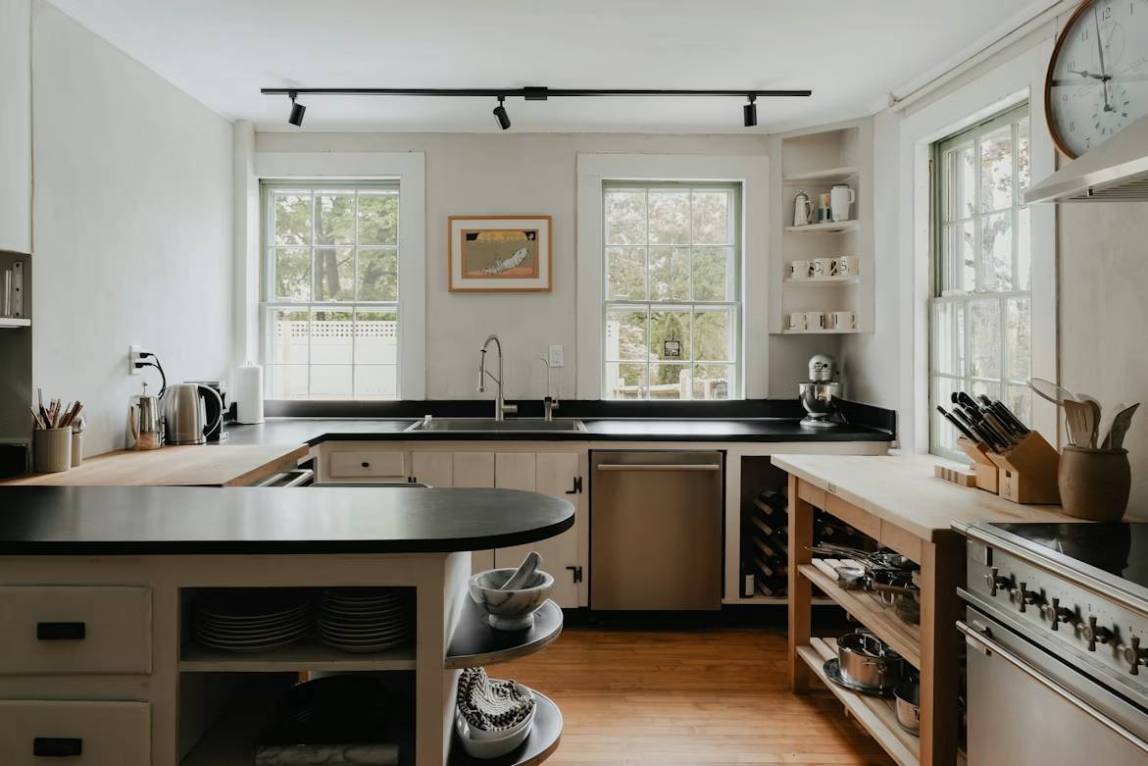
Raising children transforms a house into a center of activity. Toys, school supplies, and sports gear often take over every corner of the living space.
Finding a balance between a lived-in feel and a functional layout is a common goal for parents. Small changes can turn a chaotic environment into a supportive backdrop for daily life.
Design A Shared Space
Common areas often serve multiple purposes when kids are in the picture. A living room might double as a playroom during the day and a relaxation zone at night.
Choosing furniture that offers hidden storage helps maintain this dual identity without much effort. Coffee tables with drawers or ottomans that open up are 2 smart choices for high-traffic rooms.
Low shelves and bins allow children to access their own items without needing help. This setup encourages independence and keeps the floor clear for walking.
Sturdy materials that withstand sticky fingers and rough play are the best investment for these zones. Using rugs can define play areas and provide a soft surface for floor activities.
Store And Declutter
Seasonal items and outgrown gear can quickly overwhelm your closets. If your home feels crowded, you might need Ipswich self storage or Birmingham storage, depending on your location, to manage the overflow. Moving these items out of the primary living space creates more room for current activities.
Clear bins are great for seeing what you have at a glance. Labeling these bins with pictures or words helps everyone know where things belong. Keeping surfaces clear reduces visual noise and makes the house feel much larger than it is.
Rotating items seasonally guarantees that only what you need is easily accessible. Donating or discarding unused belongings helps prevent clutter from building up again.
Creating a simple organization system makes it easier for everyone in the household to maintain order. Regular decluttering sessions keep your space functional and stress-free.
Establish Daily Routines
An organization works best when it is integrated into the flow of the day. A recent blog post from a parenting resource suggested making tidying part of an evening routine where kids help get their stuff ready for the morning.
Assigning a specific place for backpacks and shoes near the door saves time. When every item has a home, the whole family feels less stressed.
Consistency in these small tasks builds a sense of order that benefits every person in the house. It might take a few weeks to stick, but the effort pays off in lower stress levels.
Focus On Safety And Exploration
Kids learn by exploring their surroundings, so the home needs to be a secure place for discovery. An article from a child advocacy group recommended nurturing their sense of adventure by keeping unsafe items out of the way.
Removing hazards means fewer interruptions during playtime and more freedom for the kids. Safety latches and anchored furniture are basic steps for a functional home. When the environment is secure, parents can relax as children play.
Checking the height of outlets and the stability of large TVs helps prevent accidents before they happen.
Create Consistency For Development
The physical layout of a home impacts how children develop their own internal habits. A report from a social services organization indicated that a consistent home setting provides the predictability needed for children to develop self-regulation skills.
A stable environment helps kids feel safe and focused. When children know where to find their tools, they can manage their own tasks with greater ease.
Designated areas for homework or quiet time can support these developmental goals. Using soft lighting and comfortable seating makes these spots more inviting.
Keeping the layout familiar reduces confusion and helps kids transition between activities. Even small changes to a room layout can be explained to children to help them adjust.
Maximize Every Room
Every square meter counts when you are organizing for a growing family. Vertical space is often ignored but offers great potential for extra storage.
High shelves can keep fragile items or adult-only supplies out of reach. Using the wall space above desks or beds can double the storage capacity of a small bedroom.
- Wall hooks for coats and bags
- Over-the-door organizers for shoes or crafts
- Under-bed bins for out-of-season clothing
- Magnetic strips for metal toys or art supplies
Small corners can become reading nooks or art stations with the right lighting. Utilizing these pockets of space prevents the main areas from becoming cluttered. Functional design is about making the house work for the people living in it.
Creating a functional home takes time and patience as your family grows. What works today might change next year, so flexibility is the most useful tool you have. Focus on making spaces that support your lifestyle and allow for easy cleanup.