Why Sound Buttons Are Becoming Popular in Digital Classrooms
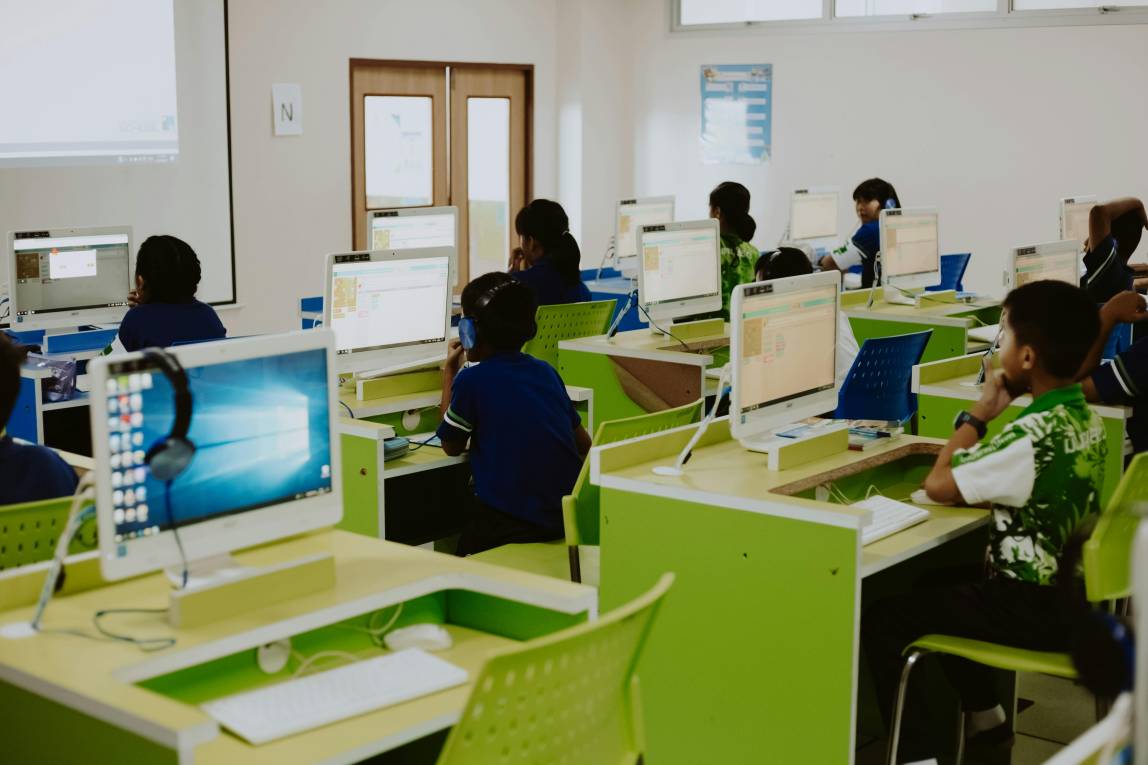
Engaging students virtually requires more than basic screen sharing. Have you ever noticed how quickly student attention can fade during a standard online lesson? The absence of physical stimuli leaves a significant gap in the educational experience, making it harder for learners to stay focused and retain information effectively.
Educators constantly search for innovative tools to bridge this physical distance. Integrating an educational soundboard has emerged as a surprisingly effective solution to recapture interest. These targeted audio cues create brief moments of engagement that reset wandering minds and reinforce positive behaviors without disrupting the overall lesson flow.
How Audio Cues Transform the Modern Learning Environment
Auditory stimulation activates different pathways than visual input alone. When instructors play specific chimes for correct answers, the brain builds neural connections. Educators are increasingly utilizing an educational soundboard set up on https://soundbuttonslab.com to integrate these interactive auditory tools quickly and easily. This action revitalizes remote lesson plans.
This multisensory approach builds stronger memory retention instead of merely entertaining. Associating concepts with distinct noises helps students recall information faster. Strategic audio usage breaks up continuous talking, providing a brief cognitive rest that helps students process complex information more efficiently.
Why Traditional Engagement Methods Fail in Virtual Settings
Standard online lectures often lead to passive consumption, leaving students detached from the material. Relying solely on slides and lectures ignores the diverse ways people process information. Here is a closer look at the specific elements causing this disconnect:
Cognitive Fatigue and Focus Challenges
Prolonged screen time naturally diminishes sustained focus. Without physical movement or tactile interaction, cognitive fatigue sets in rapidly during digital instruction. Students require frequent sensory shifts to reset their attention spans, preventing the mental drift that standard video conferencing platforms typically fail to address effectively.
Sensory Deprivation
Traditional classrooms surround learners with dynamic sights and ambient sounds that subconsciously stimulate learning. Virtual environments strip away this rich sensory feedback, leaving only a glowing rectangle. This isolation can minimize active participation and make the educational experience feel sterile compared to a bustling physical classroom.
Delayed Feedback Loops
Physical classrooms offer immediate praise through smiles or nods. Online settings often delay these vital reinforcements due to muted microphones or inactive cameras. Instant auditory rewards can help fill this void, confirming understanding and helping maintain student motivation throughout a remote learning session.
What Real World Results Reveal About Interactive Audio
Consider a pilot program where teachers introduced comic sound effects to signify transitions between algebra problems. Instead of zoning out, students began anticipating the audio cue, treating the lesson like a game show. This simple addition increased daily participation rates noticeably.
Think of audio cues like rumble strips on a highway. Just as physical vibrations jolt a drifting driver to attention, a precise sound snaps a wandering student back to the material. Resources from the National Institutes of Health confirm that varied stimuli consistently enhance sustained mental focus and retention.
Where Misconceptions Hide Regarding Classroom Noise
A widespread myth suggests that adding sound effects to digital classrooms creates chaos and distracts students from actual learning. Many traditionalists believe absolute silence is the only environment suitable for serious academic concentration. However, this assumption completely misunderstands how modern learners process information.
Strategic audio integration is highly controlled and purposeful. Teachers hold complete authority over when these effects trigger, ensuring they punctuate the lesson properly. Documentation from the Department of Education shows that structured interactivity reduces disruptive behavior by keeping students consistently involved during instructional time and preventing absolute boredom.
How Educators Can Implement Audio Tools Effectively
Start by introducing just two or three distinct noises to your virtual environment. Assign a specific meaning to each, such as a gentle bell for transitioning subjects and a ping for correct answers. Avoid flooding the session with random noises, which easily dilutes their impact.
Establish clear rules with students about what each chime represents early on. Allow them to vote on which effects they prefer for specific achievements. The American Psychological Association notes that giving learners a voice measurably increases their overall attention and academic commitment levels every day.
FAQs About Sound Buttons in Classrooms
Are audio effects appropriate for older high school students?
Yes, older students benefit just as much from auditory shifts. The key is selecting mature, subtle sounds rather than cartoonish noises. A sophisticated chime or a brief digital tone maintains professionalism while still triggering the necessary cognitive reset.
How can educators prevent students from abusing interactive audio features?
Utilize software that grants the instructor exclusive host controls over the audio board. By keeping the triggering mechanism on your end, you maintain complete authority over the classroom environment and ensure sounds only play at educationally appropriate moments.
Will varying the volume levels impact accessibility for all learners?
It absolutely can, making volume normalization essential. Always test your audio outputs before the lesson begins and ensure you have closed captioning or visual indicators enabled alongside the auditory cues to support students with auditory processing disorders.
Do these audio methods work for pre-recorded asynchronous lessons?
Absolutely. Embedding distinct sound cues into recorded video lectures helps segment the material into digestible chunks. When a student hears a specific transition sound, it subconsciously alerts them that a new topic is beginning, substantially reducing video fatigue.